
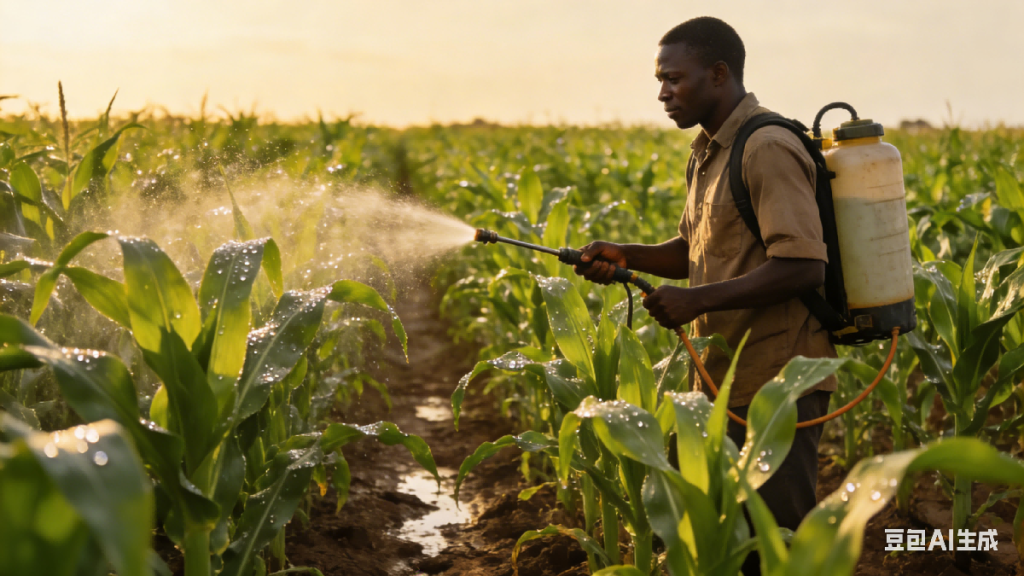
Introduction: Why Sprayer Selection Matters for African Agriculture
Agricultural sprayers are essential tools for protecting crops from pests and diseases across Africa’s diverse farming landscapes. From smallholder maize farms in Kenya to large-scale cotton operations in Mali, choosing the right sprayer can increase crop yield by 30-40% while reducing chemical waste.
However, many importers face challenges: inconsistent quality from suppliers, incompatible power sources (manual vs. motorized), and confusion about spare parts availability. This guide will help you make informed purchasing decisions tailored to African farming conditions.
1. Types of Agricultural Sprayers for African Markets
1.1 Manual Knapsack Sprayers (16-20L)
Best for: Smallholder farmers (1-5 acres), vegetable growers, organic farms
Key features to look for:
- Brass pump vs. plastic pump (brass lasts longer in hard water areas)
- Comfortable padded straps (farmers often carry for hours)
- UV-resistant tank material (crucial for intense African sun)
1.2 Motorized Mist Blowers
Best for: Large farms, orchards, plantations
Power considerations:
- 2-stroke vs. 4-stroke engines (4-stroke is more fuel-efficient but heavier)
- Fuel availability in target regions (diesel vs. petrol)
1.3 Tractor-Mounted Boom Sprayers
Best for: Commercial farms, cooperatives
Specs that matter:
- Boom width (12m, 15m, 18m coverage)
- Nozzle spacing (50cm standard for row crops)
- Compatibility with common tractor HP ranges in Africa (25-75HP)
2. Critical Specifications for African Climate
Durability Factors
- Tank material: HDPE plastic with UV stabilizers (prevents cracking in 40°C+ temperatures)
- Seals and gaskets: Viton rubber (resistant to modern pesticides and fertilizers)
- Frame: Powder-coated steel (not painted) to prevent rust in humid regions
Maintenance Simplicity
Choose sprayers with:
- Easy-access pump chambers (no tools required for cleaning)
- Standardized nozzles (available locally in case of clogging)
- Clear instruction manuals in English/French/Arabic
3. MOQ and Import Considerations for B2B Buyers
When importing agricultural sprayers to Africa, consider these business factors:
Minimum Order Quantities (MOQ):
- Manual sprayers: 500-1000 units (fits in 20ft container)
- Motorized units: 50-100 units (requires careful packing due to engine weight)
- Spare parts kits: Always order 5-10% extra nozzles and seals
Certification Requirements:
- CE marking (for East African Community)
- SONCAP (for Nigeria)
- COC (Certificate of Conformity) for specific countries
[此处插入 CTA 1: Download Catalog]
Download Our Agricultural Sprayer Catalog
Get detailed specifications, MOQ pricing, and spare parts lists for our complete range of sprayers suitable for African agricultural conditions.
[按钮: Download 2026 Catalog]
4. Common Mistakes to Avoid
- Ignoring local fuel types: Some motorized sprayers require high-octane fuel unavailable in rural Africa. Specify low-RON compatible engines.
- Wrong nozzle selection: Flat fan nozzles for herbicides vs. hollow cone for insecticides. Specify usage when ordering.
- Underestimating spare parts needs: Always include 10% extra nozzles, O-rings, and filters in your initial order.
FAQ: Agricultural Sprayers for Africa
Q: What is the best sprayer for smallholder maize farmers in East Africa?
A: The 16L manual knapsack sprayer with brass pump is most popular due to affordability (under $25/unit wholesale) and reliability. Ensure it has padded straps for comfort during long spraying sessions.
Q: How long do agricultural sprayers last in African conditions?
A: Quality manual sprayers last 3-5 years with proper maintenance. Key is cleaning after each use and storing out of direct sunlight. We provide maintenance guides with every shipment.
Q: Can you customize sprayer colors for my brand?
A: Yes, we offer OEM services including custom tank colors (MOQ 1000 units), branded labels, and multilingual instruction manuals.
Q: What is the lead time for a 20ft container of sprayers to Lagos, Nigeria?
A: Production takes 15-20 days, shipping to Lagos is approximately 25-30 days by sea. Total lead time is 45-50 days from order confirmation.
[此处插入 CTA 2: WhatsApp Inquiry]
Talk to Our Agricultural Equipment Specialist
Have specific questions about sprayer specifications for your target market? Our export manager has 5 years experience supplying to African agricultural sectors.
[按钮: Chat on WhatsApp]
Conclusion
Choosing the right agricultural sprayer involves balancing farm size, budget, and local climatic conditions. For importers targeting African markets, prioritizing durability (UV resistance, quality seals) and local support (spare parts availability) will ensure customer satisfaction and repeat business.
Ready to source quality agricultural sprayers? Contact us today to discuss MOQ, customization options, and shipping logistics to your target country.