

Description
Chlorpyrifos 97% Technical Grade | Chlorpyrifos 97% TC
CAS number: 2921-88-2
Chemical Name: O,O-Diethyl-O-(3,5,6-trichloro-2-pyridinyl) thiophosphate
Molecular formula: C₉H₁₁Cl₃NO₃PS
Molecular weight: 350.6
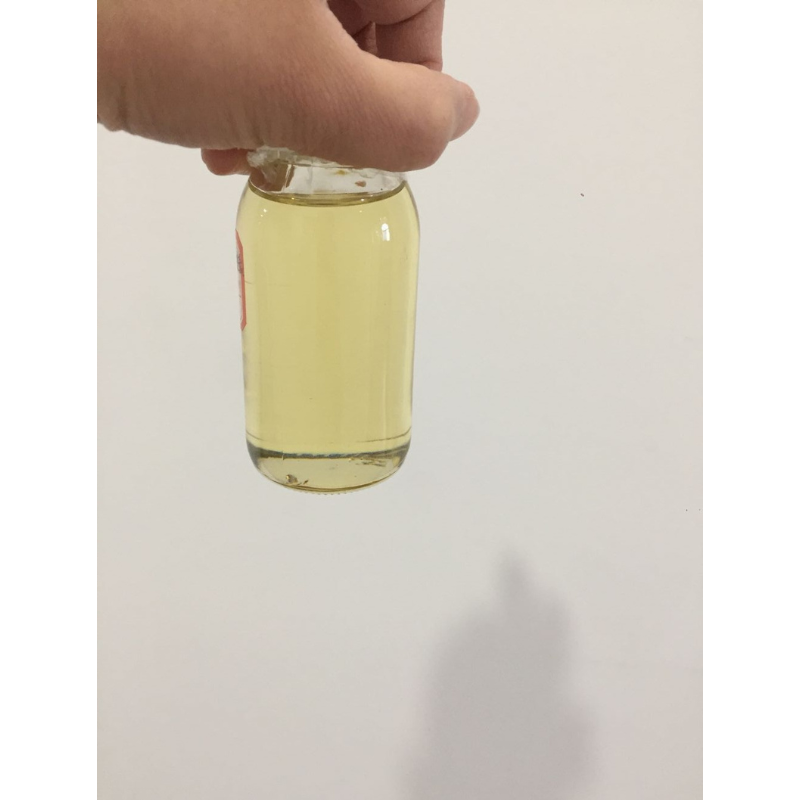
Appearance: White to pale yellow crystalline slices or crude, oil-like solids with a faint mercaptan odor
Melting point: 41.5–43.5°C
Content: ≥97% (High-Performance Liquid Chromatography)
Acidity (expressed as H₂SO₄): ≤0.31 TP3T
Moisture: ≤0.31 TP3T
Packaging: Plastic-lined woven bags / Specialized sealed packaging, or customized to meet customer requirements
Chemical Name: O,O-Diethyl-O-(3,5,6-trichloro-2-pyridinyl) thiophosphate
Molecular formula: C₉H₁₁Cl₃NO₃PS
Molecular weight: 350.6
Appearance: White to pale yellow crystalline slices or crude, oil-like solids with a faint mercaptan odor
Melting point: 41.5–43.5°C
Content: ≥97% (High-Performance Liquid Chromatography)
Acidity (expressed as H₂SO₄): ≤0.31 TP3T
Moisture: ≤0.31 TP3T
Packaging: Plastic-lined woven bags / Specialized sealed packaging, or customized to meet customer requirements
I. Mechanism of Action of the Active Ingredients
Dichlorvos belongs toOrganophosphate insecticides of the thiophosphate class, whose primary target is the insect nervous system'sAcetylcholinesterase (AChE)。
Mechanism of Action:
Once chlorpyrifos enters the pest’s body, it undergoes bioactivation to form a more toxic oxon derivative (chlorpyrifos oxon), which forms a stable covalent bond with the active site of acetylcholinesterase, irreversibly inhibiting enzyme activity. This leads to a massive accumulation of acetylcholine (ACh) in the synaptic cleft, which continuously stimulates the postsynaptic membrane, causing the nerve fibers to remain in a state of prolonged hyperexcitability. After poisoning, the pests exhibit abnormal excitement, convulsions, and paralysis, ultimately leading to death.
Once chlorpyrifos enters the pest’s body, it undergoes bioactivation to form a more toxic oxon derivative (chlorpyrifos oxon), which forms a stable covalent bond with the active site of acetylcholinesterase, irreversibly inhibiting enzyme activity. This leads to a massive accumulation of acetylcholine (ACh) in the synaptic cleft, which continuously stimulates the postsynaptic membrane, causing the nerve fibers to remain in a state of prolonged hyperexcitability. After poisoning, the pests exhibit abnormal excitement, convulsions, and paralysis, ultimately leading to death.
This mode of action is effective against both chewing and sucking pests, and is unlikely to result in cross-resistance with pyrethroids.
II. Product Features
forms
| Specificities | particular |
|---|---|
| Three-Pronged Approach | Combines contact, stomach, and fumigant effects; is not systemic; and kills pests through multiple mechanisms |
| Broad-spectrum and highly effective | It is highly effective against Lepidoptera larvae, Coleoptera pests, Homoptera pests, and mites. |
| Long-lasting soil residual activity | It binds strongly to organic matter in the soil, has moderate volatility, and is highly effective against soil-dwelling pests (wireworms, mole crickets, cutworms, and grubs), with residual efficacy lasting more than 30 days. |
| Excellent compatibility with other formulations | It can be mixed with various insecticides, such as triazophos, cyhalothrin, and imidacloprid, and exhibits a significant synergistic effect. |
| Moderately toxic | Compared to highly toxic organophosphate pesticides such as methamidophos and parathion, its toxicity is significantly lower, making it one of the preferred active ingredients for replacing highly toxic pesticides. |
| Stable physical and chemical properties | Stable at room temperature, soluble in most organic solvents, and easy to process into various dosage forms |
III. Processable Formulations
Dichlorvos 97% TC is a technical-grade active ingredient suitable for the processing and production of the following mainstream formulations:
forms
| delivery mechanism of a medicine (e.g. pill, powder etc) | Common Specifications | Applicable Scenarios |
|---|---|---|
| Emulsifiable Concentrate (EC) | 480 g/L chlorpyrifos emulsifiable concentrate, 40% chlorpyrifos emulsifiable concentrate | Foliar Spraying of Field Crops, Fruit Trees, and Vegetables |
| Microemulsion (ME) | 30% Fipronil Microemulsion | Water-based, environmentally friendly formulation that replaces traditional emulsifiable concentrates |
| Emulsion (EW) | 15%–30% Chlorpyrifos Water-Dispersible Emulsion | Reduces the use of organic solvents; environmentally friendly |
| Microcapsule Suspension (CS) | 15%, 25% Chlorpyrifos Microcapsule Suspension Concentrate | Sustained-release and controlled-release formulations extend the duration of action and reduce toxicity risks |
| Granules (GR) | 3%, 5%, 10% Fipronil Granules | Soil treatment to control soil-dwelling pests and corn borers, etc. |
| Wettable Powder (WP) | 40% Fipronil Wettable Powder | Traditional spray formulation, lower cost |
| Suspension Concentrate (SC) | 20%–40% Chlorpyrifos Suspension Concentrate | Dust-free, easy to measure, suitable for aerial application and large-scale spraying equipment |
| Seed treatment agent | Fipronil Seed Treatment Microcapsule Suspension | Seed coating for peanuts, soybeans, corn, and other crops to control soil-dwelling pests during the seedling stage |
| Sanitary Pesticides | Mosquito coils, liquid for electric mosquito repellents, bait, etc. | Control of Sanitary Pests Such as Termites, Cockroaches, Mosquitoes, and Flies |
Processing Tips: Dichlorvos technical grade is sensitive to alkaline substances; direct contact with alkaline adjuvants and fillers should be avoided during formulation processing. The recommended pH range is 4.0–7.0.
IV. Processing and Usage Guidelines
Precautions for Pharmaceutical Manufacturing
-
Solvent Selection: For the formulation of emulsifiable concentrates and microemulsions, it is recommended to blend aromatic solvents (such as xylene and solvent oil) with polar solvents to improve the dissolution stability of the active ingredient.
-
Emulsion System: For microemulsions, it is recommended to use a combination of nonionic and anionic emulsifiers to ensure that the transparency temperature range covers the climatic conditions of the target market.
-
pH Control: The pH of the processed product and the finished product is strictly controlled between 4.0 and 7.0; under alkaline conditions, chlorpyrifos is prone to hydrolysis and loss of efficacy.
-
Sustained-release packaging materials: For microcapsule suspensions, it is recommended to use polyurethane or urea-formaldehyde resin as the wall material, with a controlled release rate of 7–21 days.
mixing taboo
-
Do not mix with alkaline substances under any circumstances.(such as Bordeaux mixture, lime-sulfur solution, and alkaline fillers), which are prone to decomposition and loss of effectiveness under alkaline conditions
-
It is corrosive to brass; therefore, it is recommended to use stainless steel for parts that come into contact with processing equipment.
Sensitive Crops Alert
-
Tobacco, lettuce, melon seedlings, tomatoesSince these crops are sensitive to chlorpyrifos, downstream formulations should not be recommended for foliar spraying on the aforementioned crops.
-
Use ornamental plants such as azaleas, roses, and camellias with caution
Environmental and Ecological Security
-
Highly toxic to fish and aquatic organisms; the label on the downstream formulation should state: ”Do not use near aquaculture areas, rivers, ponds, or other bodies of water.”
-
Highly toxic to bees; do not use during the flowering period of flowering crops.
-
Toxic to silkworms; do not use near mulberry groves
Storage and Transportation
-
Store in a cool, dry, well-ventilated warehouse, away from sources of fire and heat, and avoid direct sunlight.
-
Store separately from oxidizing agents, alkalis, and food-grade chemicals; never store them together.
-
Protect from rain and moisture during transport; handle with care to prevent damage to the packaging.
Reviews
There are no reviews yet.