
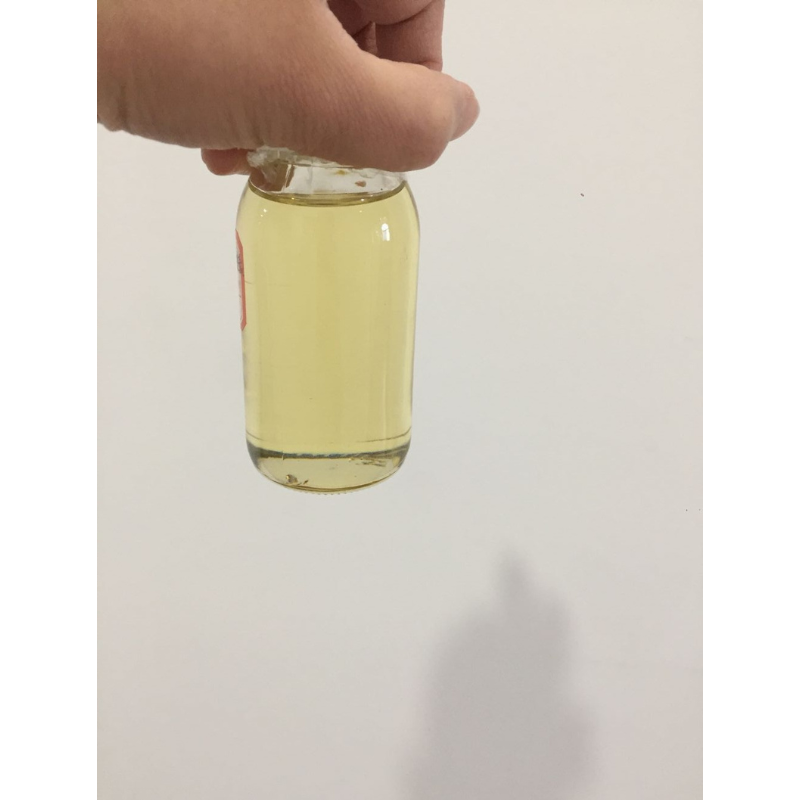
Chlorpyrifos + cis-cypermethrin 330g/l emulsifiable concentrate
$0.00
Chlorpyrifos + cis-cypermethrin
Out of stock
Find more products
Description
Fipronil · cis-Cypermethrin 330 g/L emulsifiable concentrate
I. Product name
English Name: Chlorpyrifos · Alpha-cypermethrin 330 g/L EC
delivery mechanism of a medicine (e.g. pill, powder etc): Emulsifiable Concentrate (EC)
Total active ingredient content: 330 grams per liter
Active Ingredients and Concentrations:
-
Chlorpyrifos ………………… approximately 300 g/L
-
cis-cypermethrin (Alpha-cypermethrin)…… approximately 30 g/L
II. Mechanisms of action of active ingredients
1. Chlorpyrifos — an organophosphate insecticide
Dichlorvos is an organophosphate compound, and its mechanism of action is as follows:Inhibits acetylcholinesterase (AChE) activity in insects. This compound irreversibly binds to the active site of acetylcholinesterase in insect synapses, preventing the hydrolysis of the neurotransmitter acetylcholine. This leads to the continuous accumulation of acetylcholine in the synaptic cleft, causing sustained excitation, convulsions, paralysis, and ultimately death.
Dichlorvos has bothTouch, stomach and fumigationWith its triple mode of action, it provides effective control against both chewing and sucking pests, and its penetrating properties allow it to target pests hidden on the undersides of leaves or in the topsoil.
2. Cis-cypermethrin (Alpha-cypermethrin) — Pyrethroid insecticide
cis-Cypermethrin is the cis isomer of deltamethrin and belongs toType II pyrethroids. Its target is the insect nervous system'sVoltage-Gated Sodium Channels. This ingredient delays the closure of sodium ion channels, disrupting the normal depolarization process of the nerve membrane, causing the pests to experience intense excitement, convulsions, and loss of coordination, ultimately leading to paralysis and death.
cis-cypermethrin isTouch Kill and Stomach ToxinIt is primarily effective, with high insecticidal activity and a rapid knockdown effect; it is particularly effective against Lepidoptera larvae (such as the cotton bollworm and the cabbage looper).
3. Synergistic Effects of Blending
-
Dual-target action: By simultaneously disrupting both cholinergic nerve transmission and sodium ion channels in insects, it significantly reduces the likelihood of pests developing resistance.
-
Balancing Fast-Acting and Long-Lasting Effects: Cis-cypermethrin provides a rapid knockdown effect, while fipronil offers a longer residual effect (7–14 days)
-
Broaden the spectrum of insect control: Effective against chewing, sucking, and soil-dwelling pests, covering a wide range of pest orders, including Lepidoptera, Coleoptera, and Hemiptera
III. Product characteristics
forms
| Characteristic Dimensions | Detailed Description |
|---|---|
| Broad-spectrum and highly effective | It is highly effective against Lepidoptera (cotton bollworm, beet armyworm, cabbage looper), Coleoptera (wireworms, wireworms), Hemiptera (aphids, planthoppers), and mites. |
| Multiple Mechanisms of Action | Contact kill + stomach poison + fumigation create a multi-layered protective barrier, leaving pests nowhere to hide |
| Quick Knockout | The active ingredient cypermethrin causes pests to stop feeding within minutes and results in massive mortality within 24 hours. |
| long-lasting | The active ingredient, chlorpyrifos, provides 7–14 days of continuous protection, reducing the frequency of applications |
| Antimicrobial Resistance Management | A combination of dual-action mechanisms effectively delays the development of resistance, making it suitable for resistance management strategies |
| Highly permeable | Emulsifiable concentrate formulations have good adhesion to leaves and good penetration, and are resistant to rain wash-off. |
IV. Usage and dosage
Suitable Crops and Target Pests
forms
| Crop/Location | prevention and treatment target | Dosage of the Medication | dilution factor | Mode of application |
|---|---|---|---|---|
| wool | Cotton bollworm, red spider mites, aphids, blind bugs | 30–50 mL per mu | 1,500–2,000 times | mist evenly |
| maize | Second-generation rice stem borer, third-generation rice stem borer, rice leafhopper, rice stem borer | 40-60 mL/mu | 1,000–1,500 times | mist evenly |
| maize | Corn borers, soil-dwelling pests | 30–50 mL per mu | 1,500–2,000 times | Foliar spray or root drench |
| Soybeans/Peanuts | Wireworms, Golden Wireworms, Seed-Eating Worms | 40–50 mL per mu | 1,500 times | Spray |
| cruciferous vegetable | Cabbage looper, cabbage worm, aphids | 20–30 mL per mu | 2,000–3,000 times | mist evenly |
| Fruit Trees (Citrus, Apple) | Leafminers, scale insects, aphids | 2,000–3,000-fold dilution | — | mist evenly |
注: Dosage per hectare = Dosage per mu × 15
注: Total active ingredient concentration (mg/kg) = (formulation content × 1000) ÷ dilution factor
Key Application Techniques
-
Application period: On PestsEarly larval stageTreatment is most effective during the peak egg-hatching period; during the adult stage, the dosage may be appropriately increased.
-
Interval Between Applications: Depending on the severity of the pest infestation, space them 10–15 days Apply once; do not use continuously for more than 2–3 times, It is recommended to rotate its use with drugs that have different mechanisms of action
-
water consumption: Recommended water usage per mu 30–50 liters, ensuring that the pesticide is applied evenly to both sides of the leaves
-
secondary dilution: First, mix the chemical with a small amount of water to prepare a stock solution. Stir until thoroughly mixed, then add enough water to dilute it, ensuring complete emulsification.
V. Usage Guidelines and Precautions
✅ Instructions for Proper Use
-
Spraying Time: SelectMorning or eveningWhen applying pesticides, avoid doing so during periods of high temperatures (>30°C) to prevent the pesticides from breaking down and causing phytotoxicity.
-
Spraying Equipment: Use a sprayer with good atomization to ensure fine, uniform droplets, thereby improving coverage and penetration.
-
mixing taboo: Can be mixed with most neutral and acidic pesticides, butDo not mix with alkaline pesticides (such as lime-sulfur solution or Bordeaux mixture)., to prevent degradation and failure
-
safety interval: Before the harvest of crops such as cotton and rice 21–30 days Discontinue application; for vegetable crops, strictly adhere to the safety intervals specified in local regulations.
⚠️ Safety and Environmental Precautions
-
Personal Protection: Wear protective clothing, a mask, goggles, and rubber gloves when applying the pesticide. Thoroughly wash your hands, face, and clothing after application.
-
environmental safety:: ForFish, Bees, and SilkwormsHighly toxic. When applying the pesticide, stay away from water sources, rivers, ponds, apiaries, and silkworm rearing facilities, and avoid drift of the spray solution.
-
Weather Restrictions: On days with strong winds or when strong winds are forecast Rainfall within 1 hour Do not apply the pesticide; if rain occurs within 6 hours of application, a follow-up spray is required.
-
Storage conditions: Store in a cool, dry, well-ventilated area, away from sources of fire and out of reach of children; do not store together with food or animal feed.
-
First Aid for Poisoning: In case of accidental ingestion or skin contact, immediately rinse with plenty of water and seek medical attention promptly, bringing the label with you; organophosphate poisoning can be treated with atropine (as directed by a doctor).
🌍 Compliance Reminder
Chlorpyrifos and cis-cypermethrin have been restricted or banned in certain countries and regions (such as the European Union, Uzbekistan, etc.).
This product sheet is for technical reference only,Before exporting, be sure to verify the pesticide registration status and regulatory requirements of the target market., ensure that the product has been legally registered in the importing country and complies with local maximum residue limits (MRLs).
date of use (on foodstuffs): Under proper storage conditions, the shelf life is 2 years

Reviews
There are no reviews yet.