
Description
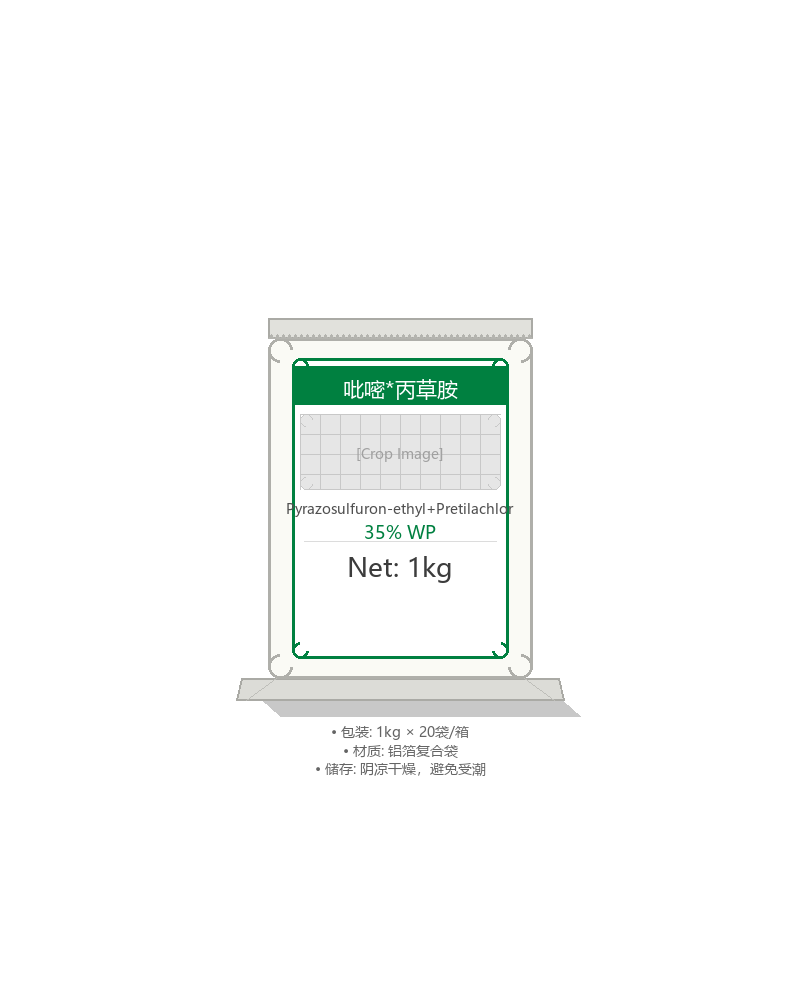
Pyrim·Propachlor 35% Wettable Powder
Pyrazosulfuron-ethyl + Pretilachlor 35% WP
Pesticide Category: Herbicides Dosage form: Wettable Powder (WP) | Toxicity: lower toxicity
Active ingredients: Pyrimidylsulfuron + Propachlor | Total active ingredient content: 35%
Active ingredients: Pyrimidylsulfuron + Propachlor | Total active ingredient content: 35%
I. Product Profile
Pyrim·Propachlor 35% Wettable Powder is aBinary Formulation Herbicide Specifically Designed for Rice Fields, bySulfonylurea Herbicide for Broadleaf Cyperus (Pyrimidylsulfuron)andAmide-type mitosis inhibitors (propachlor)Scientifically formulated. This product combines the dual effects of ”surface-acting and systemic” action, providing excellent control of annual grass weeds, broadleaf weeds, and sedge weeds in direct-seeded rice fields. It is a highly effective solution for the integrated weed management of direct-seeded rice fields.
II. Mechanisms of action of active ingredients
Mechanism of dual-target synergy
forms
| Ingredients | Function Category | mechanism of action | Mechanism of action |
|---|---|---|---|
| Pyrazosulfuron | HRAC Class B / WSSA Class 2 | Acetyl-L-lactate synthase (ALS) inhibitors, inhibiting the synthesis of branched-chain amino acids | Systemic; absorbed primarily through the root system |
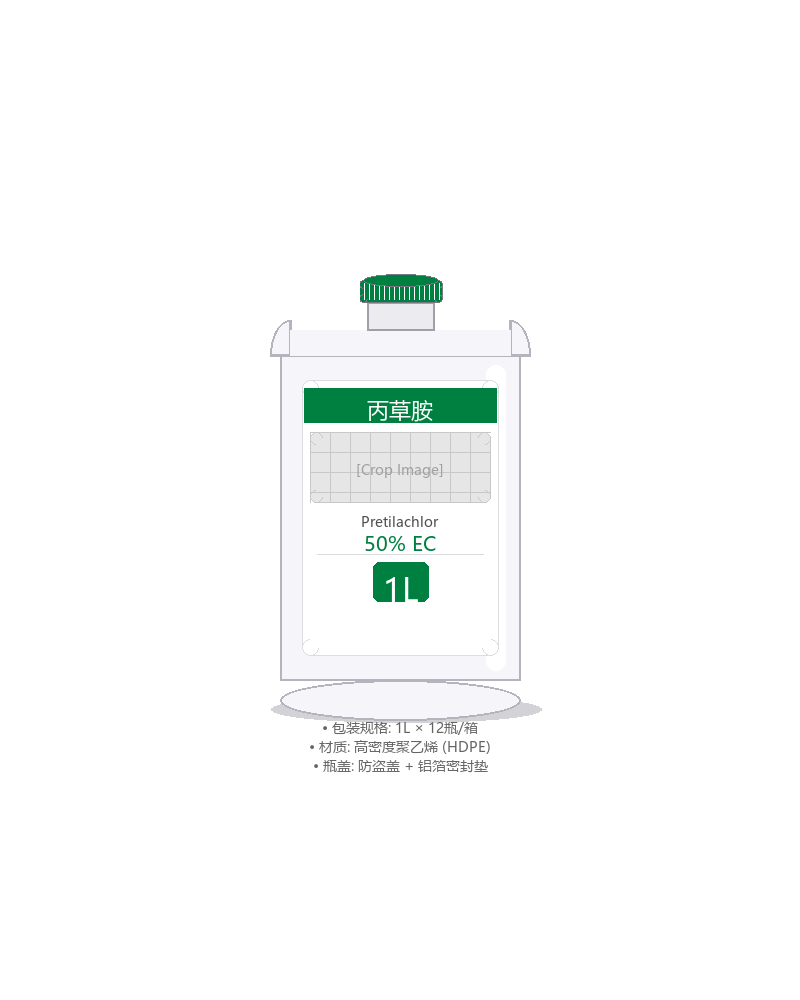
| also called dimethoate | HRAC Category K3 / WSSA Category 15 | Cell division inhibitor, interfering with the synthesis of very-long-chain fatty acids | Pre-sprout soil treatment; absorption by young sprouts |
The Principle of Synergy
-
Broadleaf Cyperus Herbicide (Pyrimidylsulfuron): It is primarily absorbed through the root system, rapidly translocates within the weed plant, inhibits ALS enzyme activity, and blocks the synthesis of branched-chain amino acids, causing the weed to gradually die. It provides excellent control against annual and perennial broadleaf weeds and Cyperaceae weeds, including common sedge, water sedge, water arrowhead, duckweed, water celery, water purslane, wild arrowhead, water milfoil, duckweed, and water hyssop.
-
Grass Weed Control (Propachlor): Weed seeds absorb the herbicide during germination; however, absorption through the roots is poor, so it can only be applied as a pre-emergence soil treatment. It inhibits cell division and interferes with the synthesis of very-long-chain fatty acids, causing young weed seedlings to die from poisoning before they emerge from the soil. It is highly effective against barnyard grass.
-
Synergy: Pyrimidylsulfuron compensates for propachlor’s poor efficacy against broadleaf weeds and sedge weeds; Propanil compensates for pyrimidylsulfuron’s limited effectiveness against barnyard grass and duckweed, thereby achieving complete control of grass, broadleaf, and sedge weeds in direct-seeded rice fields.
III. Product characteristics
✅ Six Core Advantages
forms
| Specificities | particular |
|---|---|
| 🎯 Hekuosha: Total Control—One Product, Multiple Effects | Simultaneously controls barnyard grass, broadleaf weeds, and sedge weeds, covering the major weeds in direct-seeded rice fields |
| 🔄 Systemic action, thoroughly eradicates | Both active ingredients are systemic, destroying weeds from within and preventing regrowth. |
| ⏱️ Long-lasting, one application lasts | Effective for 25–35 days; a single application is sufficient to control weeds during the seedling stage of rice. |
| 🛡️ Safe for rice, highly selective | It is safe for direct-seeded rice fields and does not affect tillering or yield. |
| 💧 Flexible and versatile | Can be applied as a soil treatment or mixed with water for spraying; suitable for direct-seeding cultivation. |
| 🌾 Specially formulated for consistent results | Designed specifically for direct-seeding rice fields, with results proven over many years |
🎯 Preventing Objects
Primary prevention and eradication: Annual and perennial broadleaf weeds and Cyperaceae weeds, such as barnyard grass, water chickweed, heterophyllous sedge, water sedge, water caltrop, duckweed, water celery, jointed water plantain, wild arrowhead, water milfoil, duckweed, and water hyssop.
Not effective against the following weeds: Qianjinzi (exhibits only an inhibitory effect at high doses).
Suitable crops: Direct-seeded rice fields.
IV. Usage and dosage
📋 Implementation Plan for Direct-Seeded Rice Fields
forms
| Application period | Dosage (formulated dose/acre) | water consumption | Mode of application |
|---|---|---|---|
| Rice at the 1–3-leaf stage(3–20 days after transplanting) | 15–25 grams per mu | 30 kilograms per mu | Apply by mixing with toxic soil and spreading or spraying |
| From sowing until the two-leaf stage of weeds | 15–25 grams per mu | 30 kilograms per mu | Apply by mixing with toxic soil and spreading or spraying |
Active ingredient dosage: The active ingredient dosage per mu for 35% (pyrimidine·propamocarb) is 5.25–8.75 grams per mu. Maintain a water depth of 3–5 cm during application, and keep the water in the field for 3–5 days after application.
V. Guidance for use
🔧 Application Points
forms
| move | operational specification |
|---|---|
| 1. Seize the opportunity | Apply the herbicide during the 1–3-leaf stage of rice or from sowing until the weeds reach the 2-leaf stage; the best results are achieved during the early stages of weed emergence. |
| 2. Aquifer management | Maintain a water depth of 3–5 cm during application, and keep the field flooded for 3–5 days (direct-seeding fields) or 5–7 days (transplanted fields) after application. |
| 3. Dispensing methods | Using the two-step dilution method, first thoroughly disperse the chemical in a small amount of water, then add sufficient water. |
| 4. Poisonous soil method | Mix the formulation with 20 kilograms of fine, moist soil per mu, and apply evenly after the morning dew has dried. |
| 5. Spraying | Mix 30 kilograms per mu with water and spray evenly to ensure complete coverage of the weeds. |
⚠️ Key Considerations
-
⏰ Optimal application period: maize1–3-leaf stageOr from sowing until weeds appearUp to the two-leaf stageFor best results, apply the pesticide; in dry-seeded fields, flood-irrigate once 1–2 days after application and keep the soil moist.
-
🚫 Contraindications: 对Qianjinzi is ineffective...Fields where "Qianjinzi" is the primary crop should be treated with a mixture of this product and other herbicides; as it is relatively sensitive to late-season rice varieties (japonica and glutinous rice), application during the tillering stage of late-season rice should be avoided whenever possible.
-
💧 Water Management: Maintain a water depth of 3–5 cm during application, and keep the field watered for 3–5 days after application. For dry-seeded fields, flood-irrigate once 1–2 days after application and keep the soil moist.
-
🌡️ Temperature effects: The drug's efficacy is stable and is minimally affected by temperature.
-
🐟 Aquatic safety: It is low in toxicity to fish, birds, and bees, but caution is still advised in rice paddies where fish are raised.
-
🧪 Blending recommendations: When used alone, it is very ineffective against barnyard grass at the two-leaf stage or later; it is often combined withHecaote or dichloroquinoline acidWhen used in combination, they provide excellent protection.
-
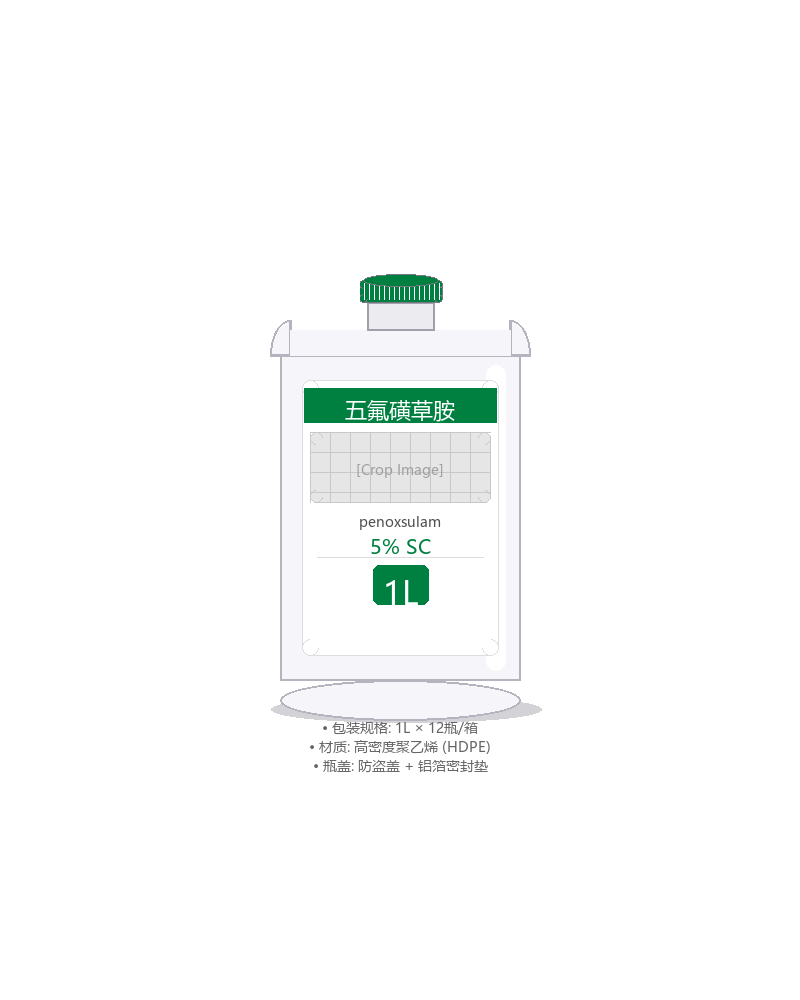
🔄 Resistance management: Long-term single use is prone to resistance, it is recommended to combine withBenzylsulfuron, PentafluorophenoxanilRotate the use of herbicides with different modes of action.
-
🛡️ security: Wear protective clothing, gloves, and a mask when applying the pesticide; wash your hands and face immediately after application; pregnant and breastfeeding women should avoid contact.
-
🧹 Instrument cleaning: Thoroughly clean the sprayer after use to prevent residual pesticide from causing phytotoxicity to other crops.
-
📦 Storage conditions: Store in a cool, dry, well-ventilated place, away from direct sunlight and high temperatures; keep away from sources of fire and out of the reach of children.
Sixth, product specifications and packaging
forms
| sports event | parameters |
|---|---|
| Total active ingredient content | 35% (Pyrimidylsulfuron + Propachlor) |
| exterior condition | White to pale yellow powder |
| Suspension rate | ≥70% |
| Wetting time | ≤120 seconds |
| Packaging specification | 15 g × 200 bags/case, 25 g × 200 bags/case, 50 g × 100 bags/case, 100 g × 50 bags/box |
| date of use (on foodstuffs) | 2 years |
Warm Tip: When applying this product, please follow the guidance of your local plant protection authorities and adjust the application plan as appropriate based on local weed communities, cultivation practices, and climatic conditions.
📋 Quick Comparison Chart of Five Products
forms
| Diethylammonium chloride | Function Category | Mechanism of action | Primary Targets | Applicable crops | Key Features |
|---|---|---|---|---|---|
| Ben·Ding 30% WP | Compound Preparations | Contact + Systemic | ALS + Protein Synthesis Inhibitors | Rice Transplanting / Hand-Sowing / Machine Transplanting / Direct-Seeding Fields | He Kuosha Total Control, Classic Formula, Versatile Application |
| Benzylpyrimidine·Benzothiazole 53% WP | Compound Preparations | Contact + Systemic | ALS + mitosis inhibitor | Rice transplanting fields and direct-seeding fields | One-time weed control; complete control of both grass and broadleaf weeds; suitable for both northern and southern regions |
| Quinaceton 70% WP | Triazine derivatives | Pre-planting Soil Treatment | PSII Electron Transfer Inhibitors | Soybeans, potatoes, tomatoes, corn | Broad-spectrum weed control; can be applied both pre-emergence and post-emergence; good compatibility with other products |
| Ding Pu 19% WP | Compound Preparations | Contact + Systemic | Protein Synthesis + PSII Inhibitors | Rice transplanting field | He Kuosha Total Control, Classic Formula, Consistent Results |
| Pyrim·Propachlor 35% WP | Compound Preparations | Contact + Systemic | ALS + mitosis inhibitor | Rice direct seeding field | He Kuosha Total Control, for direct seeding, systemic |
Reviews
There are no reviews yet.